Farmland sales for tree projects draw concern over land use
Investment companies bought Rushy Lagoon and Cobungra Station in August, with plans for extensive planting and income from carbon credits.
The sale of two major Australian farming properties to investment companies has prompted community and political concerns about tree-planting projects and their impact on agriculture. The purchases of Tasmania's Rushy Lagoon and Victoria's Cobungra Station were completed in August.
Rushy Lagoon, covering 22,000 hectares in north-east Tasmania, sold for A$142 million. The federal government's Clean Energy Finance Corporation contributed A$69 million towards the purchase. Dorset Mayor Rhys Beattie argued that funding gave the buyers an advantage over other bidders.
Jono Craven, national manager for the new owner, Tasmanian National Assets Trust, rejected that criticism. He said forestry was the project's primary purpose, with carbon credits providing an additional benefit.
Plans for Rushy Lagoon include approximately 11 million pine trees across 10,000 hectares over five years. About 11,000 hectares of protected native vegetation will be retained and generate some carbon credits, including an area containing a 300-hectare Ramsar-listed wetland.
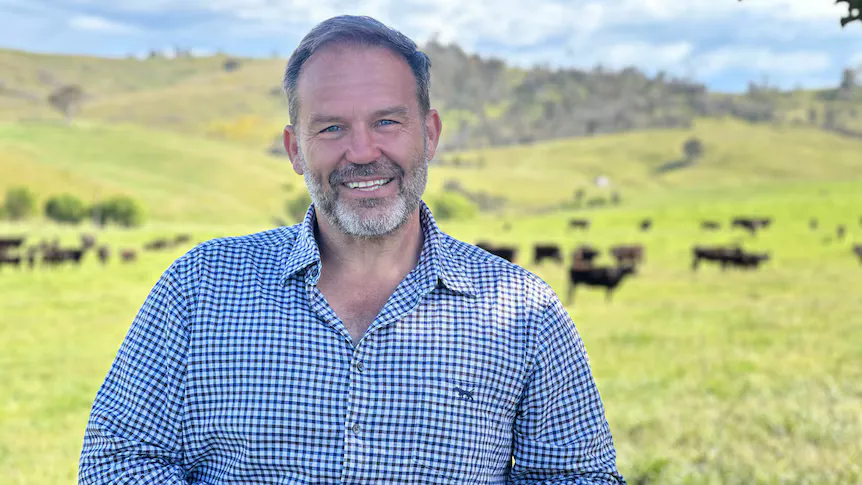
Silva Capital paid A$51 million for the 31,000-hectare Cobungra cattle property in Victoria's high country. Co-managing director Raf Wood said the company intended to establish open woodland across about 3,500 hectares rather than a conventional plantation.
Community concerns include reduced livestock and crop production, fewer jobs, bushfire risks and problems with weeds and pest animals. Mr Wood said carbon-project rules required those risks to be managed, with fire a particular threat to carbon stored in trees.
Justin Glass, who is overseeing Cobungra's redevelopment, said the aim was tree canopy coverage of about 20 or 30 per cent. He believed that could shelter pasture and support grass growth for more of the year.