WA humpback sightings fall 60% as researchers raise concerns
Researchers also observed fewer calves, while a Griffith University scientist says whale entanglements across Australia reached 60 in 2026.
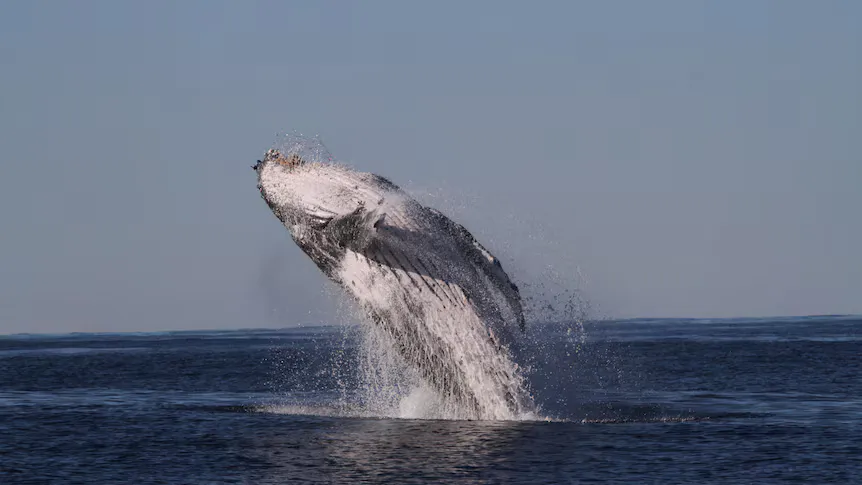
Researchers have raised concerns after the number of humpback whales observed migrating along Western Australia's coast fell by 60 per cent in 2026, alongside fewer calves and increased strandings and entanglements.
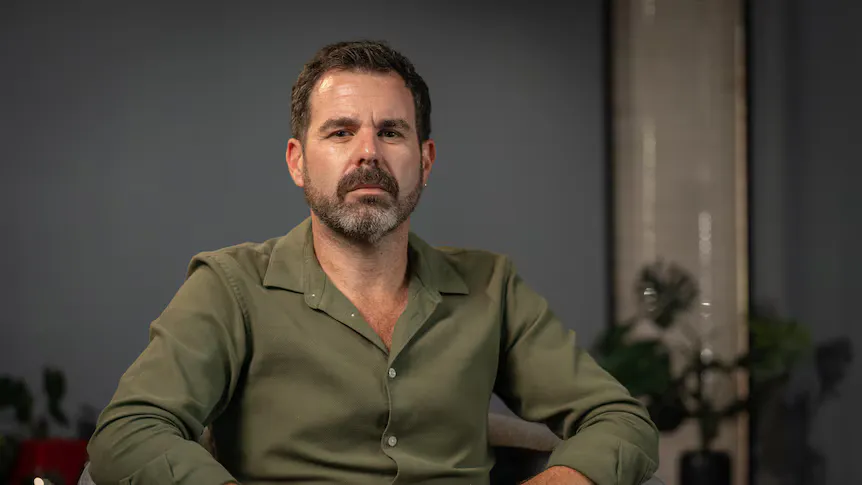
Griffith University marine scientist Olaf Meynecke said reports from different humpback populations across the Southern Hemisphere showed similarly low sightings. He said earlier melting of sea ice was shortening the time whales spent feeding, while changes in krill populations and phytoplankton blooms were reducing food supplies.
Dr Meynecke said some mothers appeared thin, with depleted fat reserves raising concerns about their ability to provide enough milk. Researchers and whale watchers also observed few mothers accompanied by calves heading south after giving birth near the north Kimberley.
Broome whale-watching operator Cameron Birch said his tours travelled nearly twice as far offshore to find whales, reaching 10 or 12 nautical miles from the coast. Encounters had fallen from 10 or 15 whales a day to two or three.
Mr Birch was not yet alarmed, saying his experience over 25 years included periods of low sightings followed by a recovery. He said he would need to see a pattern before becoming concerned.
Dr Meynecke said whale entanglements nationally had increased by 20 per cent to 60 in 2026, and feared more were going unreported. He called for continued research, saying difficulties for humpbacks could signal problems for other large whales.