BHP uses AI to spot oversized rocks and cut port machinery delays
The miner says conveyor monitoring and changes to machinery movements at Port Hedland form part of a broader push to connect operations from pit to port.
By Quang Dinh
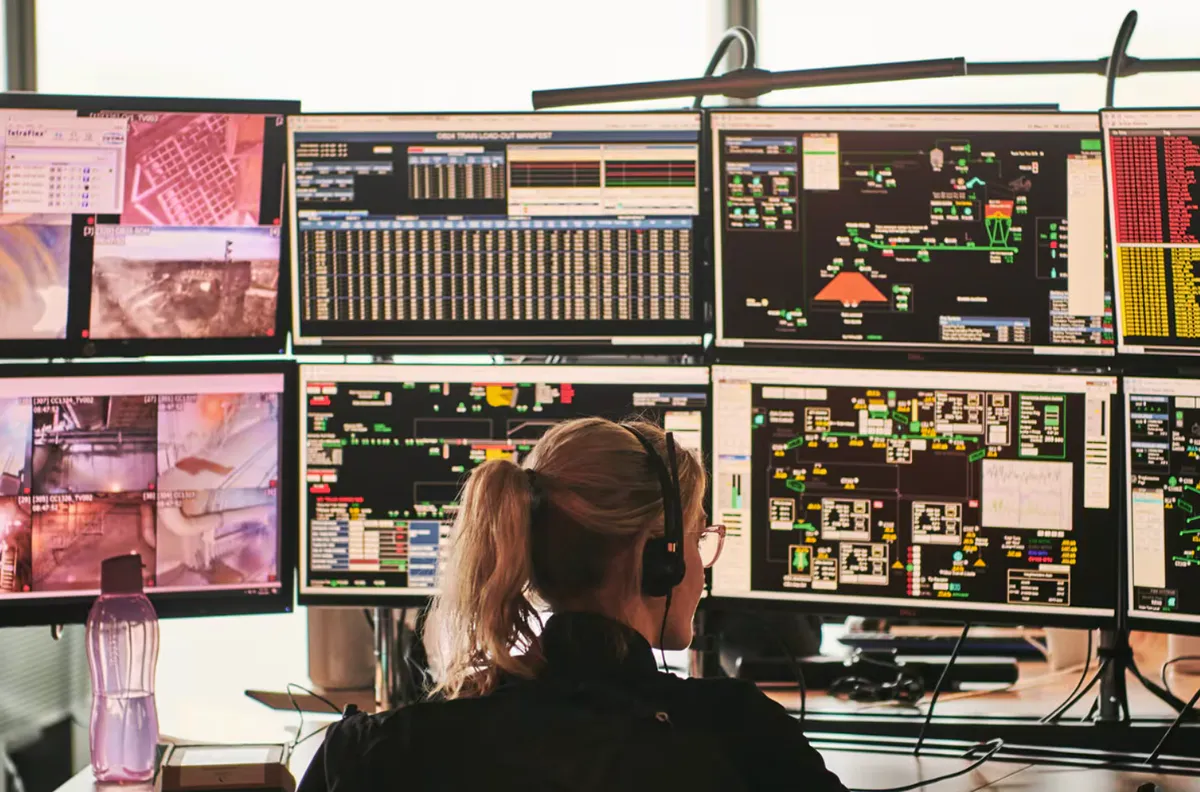
BHP is deploying AI-based rock detection at its Western Australian Iron Ore operations and has changed how ore-handling machinery moves at Port Hedland, as it seeks productivity gains through digital technology.
Digital officer Mikko Tepponen said the miner was expanding technology initiatives across its global operations. Its longer-term ambition is to connect the entire supply chain, allowing more dynamic coordination from pit to port to increase production and reduce costs.
The rock-detection system replaces checks previously carried out by people onsite. Cameras mounted on diggers and over conveyors supply images through a high-speed network, with AI comparing them against examples to identify oversized material and other foreign objects.
Tepponen said detection of an oversized rock automatically halts the conveyor. Controllers then organise its safe removal with site teams. He said the monitoring had reduced crusher incidents, equipment downtime and maintenance needs, while improving ore throughput.
At Port Hedland, stackers and reclaimers can now be repositioned simultaneously rather than one after another. The machinery handles ore before ship loading, and the change is intended to reduce time spent idle.
BHP disclosed few technical details about the port project, saying it uses edge detection systems to prevent collisions.