Foodbank reports rise in Australian households going hungry
The charity's 2026 report puts the number at 3.6 million households, with 69% of those experiencing food insecurity affected for the first time.
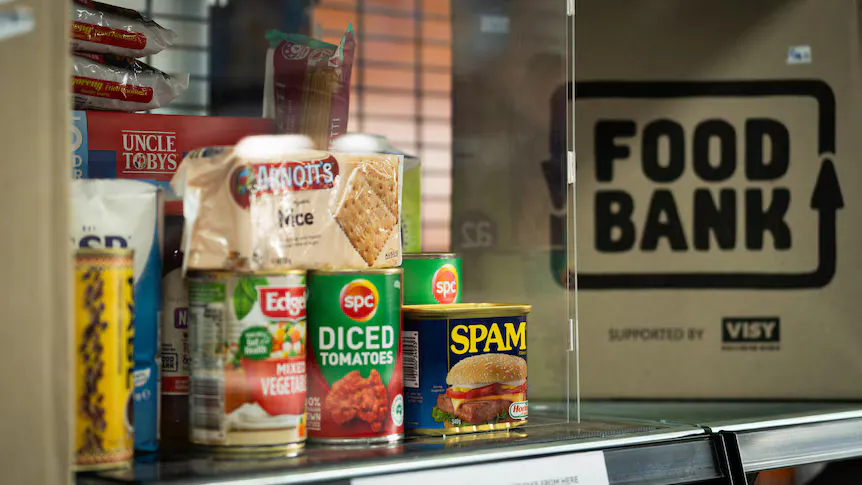
Australia had 100,000 more households experiencing food insecurity over the past year, Foodbank's 2026 hunger report has found. The number reached 3.6 million, compared with 3.5 million the previous year.
The proportion affected remained at one in three households. Of those experiencing food insecurity, the charity found 69 per cent were dealing with it for the first time during the year.
Regional areas recorded a higher rate of severe food insecurity: almost one in four households, against an urban figure of 18 per cent. Among First Nations households, more than half experienced food insecurity and 40 per cent were in the severe category.
Kylea Tink, Foodbank Australia's chief executive, attributed the pressure to rising interest rates and living costs. She said households reduced grocery spending before cutting back on housing, utilities or travel to work. People aged between 18 and 34 were the most likely age group to be affected, she said.
Foodbank wants the federal government to establish a nationwide school breakfast program aimed at reaching every child by 2030. It said it had delivered 3,649 breakfast programs in schools around Australia.
The charity welcomed federal surge funding of A$700,000. Tink said it would help provide food but could not end the problem quickly, calling for cooperation between agriculture, health and education, alongside political and social commitment.