Labor and Coalition back AI copyright payment scheme
A parliamentary committee has proposed payments for Australian creators, but the music industry says existing copyright laws should be enforced instead.
By Quang Dinh
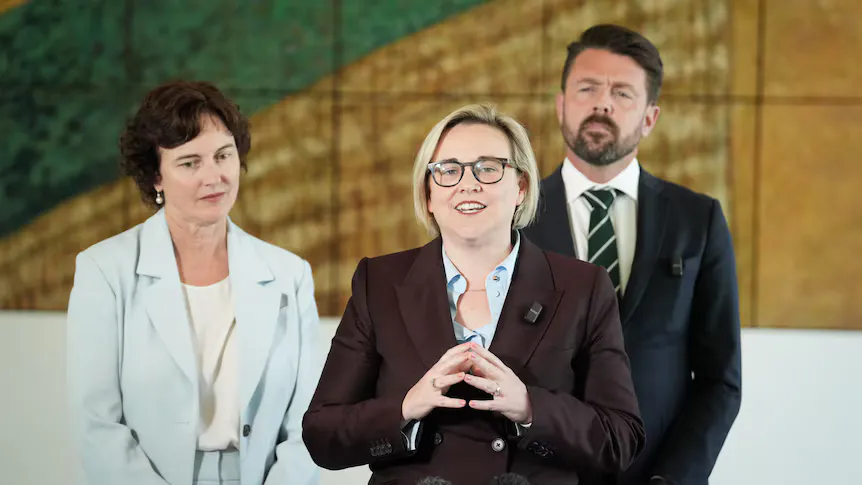
Labor and Coalition members of a parliamentary inquiry have backed copyright changes aimed at paying Australian creators when AI developers use their material for training, despite opposition from the music industry. The proposal is among 46 recommendations delivered to the federal government on 24 November 2026.
The Joint Select Committee on Artificial Intelligence proposed a scheme covering individual artists and copyright holders. Its eight copyright recommendations also sought greater disclosure of training data and strong penalties for breaches. Labor chair Jo Briskey said current arrangements were failing to give creators control or payment.
Australian Recording Industry Association chief executive Annabelle Herd rejected the committee's position that copyright law was not working. She said the government should require AI companies to negotiate with rights holders, rather than change existing protections.
Independent ACT senator David Pocock submitted a dissenting report covering copyright, energy and what he considered an excessively optimistic assessment of AI's benefits. He sought a three-year freeze on copyright changes so existing laws could be tested.
Committee members agreed data centres should supply their own power, contribute more electricity to the grid than they consume and avoid increasing household bills. They did not agree on how far government should dictate generation sources. Crossbench member Kate Chaney supported requiring renewable power.
Other proposals included licensing data centres to enforce rules governing electricity, water and location, alongside duties to monitor and report AI incidents. The committee also urged greater government purchasing from Australian AI companies.
Draft legislation addressing data centre standards, AI safety and copyright is expected early in 2027, likely through several bills.