Fire ants reinfest Queensland organic farms after treatment pause
A newly permitted treatment offers an option for certified organic properties, but requires labour-intensive application to individual nests.
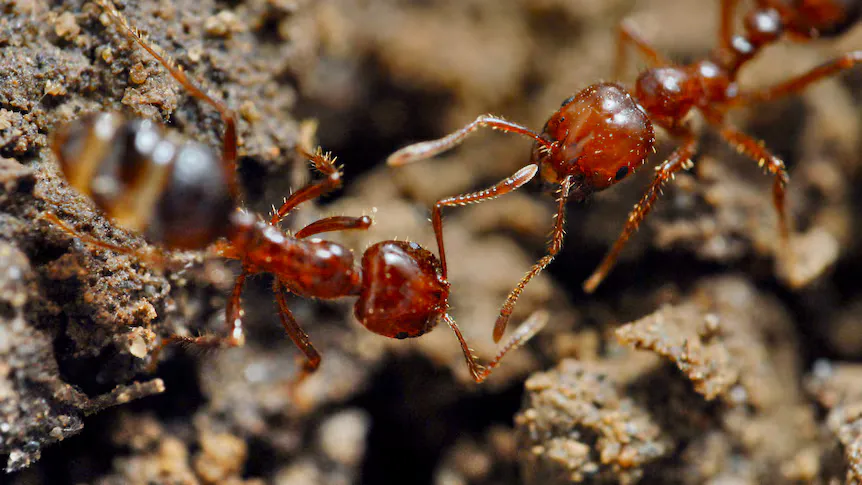
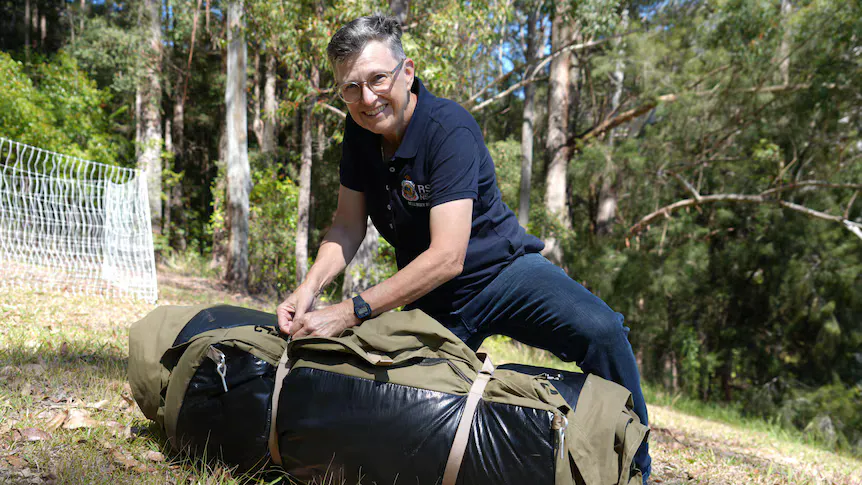
Fire ants have returned to parts of a Queensland farming zone after some export-certified organic properties went without a suitable treatment for 14 months, the National Fire Ant Eradication Program (NFAEP) has confirmed.
The program identified reinfestation within a 1,110-hectare zone covering the Lockyer Valley, Scenic Rim and Somerset, but has yet to establish its extent. Treatment on affected properties stopped in August 2025 when genetically modified ingredients were found in the baits.
Robbie Wilson, the program's senior director of operations, said there was evidence ants had spread from properties left untreated during the suspension. He said farmers risked losing organic accreditation if they used bait containing genetically modified corn and oil.
The federal Department of Agriculture, Fisheries and Forestry has granted a Queensland permit for a product containing concentrated cinnamaldehyde, the compound responsible for cinnamon's flavour and smell. The department said it met the National Standard for Organic and Bio-Dynamic Produce.
Only people authorised by the NFAEP can apply the product, either by injecting nests directly or drenching them. Mr Wilson said the initial shipment from New Zealand was waiting for customs clearance at Brisbane port.
Mr Wilson said the labour required meant the treatment could not take the place of broadscale baiting. Work on that option for larger organic farms was continuing.
Scenic Rim organic farmer Di Fyson welcomed the alternative but questioned the delay. Invasive Species Council advocacy director Reece Pianta said gaps in treatment threatened eradication efforts and expressed concern about how slowly alternatives were being deployed at scale.