Tasmanian lobster fishers oppose closures tied to salmon antibiotic plan
Salmon Tasmania is seeking emergency approval for florfenicol, with proposed fishing restrictions intended to protect wild seafood exports.
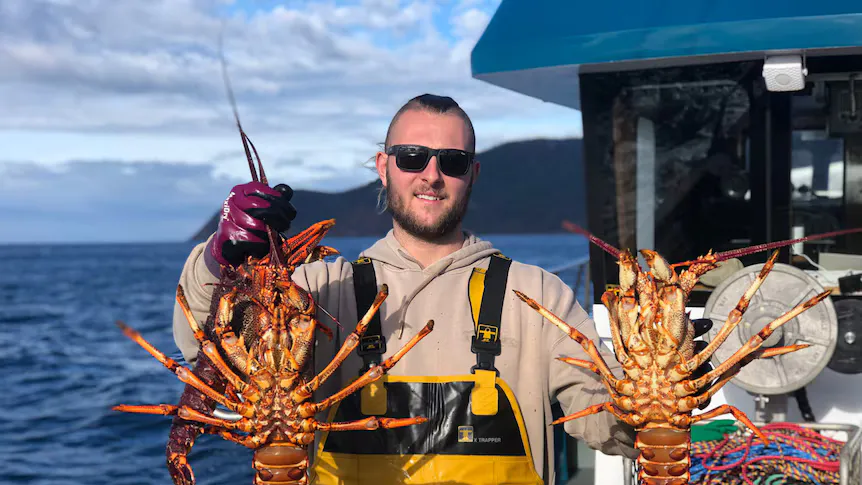
Tasmanian lobster fishers are opposing a proposal to close fishing grounds for up to six weeks when nearby salmon farms use antibiotics, despite Salmon Tasmania's offer of financial support for affected operators.
The industry body has sought an emergency permit for florfenicol to treat a bacterial disease responsible for mass salmon deaths in 2025. Its application proposes temporarily shutting wild fisheries in zones containing treated salmon pens, aiming to prevent export bans in markets that do not accept antibiotic residues.
Lobster fisherman Bryce Way said compensation would not offset the loss of fishing access and warned that commercial boats could stage large-scale protests. Tasmanian Rock Lobster Council president Danny Fox said many fishers shared those concerns. He said there were no plans to obstruct salmon operators, but did not rule out protests.
Salmon Tasmania chief executive John Whittington said treatment, if approved, would be restricted to the D'Entrecasteaux Channel and Storm Bay and require a veterinarian's recommendation. He said only a small portion of wild fishing grounds would be affected, and discussions were under way with lobster, abalone, oyster, periwinkle and urchin sectors about covering costs arising from closures.
A previous emergency authorisation was revoked in March after florfenicol residues were found in wild seafood at distances exceeding 10 kilometres from treated farms. The Australian Pesticides and Veterinary Medicines Authority is expected to decide on the new application in November.
Whittington said selective breeding, vaccines and improved feeds were being developed to reduce reliance on antibiotics. Last summer, 5.4 tonnes of florfenicol were used, while about 9,000 tonnes of salmon died.