Union and analyst warn of loopholes in gas reservation plan
Proposed laws would require exporters to reserve the equivalent of up to 20% of production for domestic buyers, but critics question how obligations would be set.
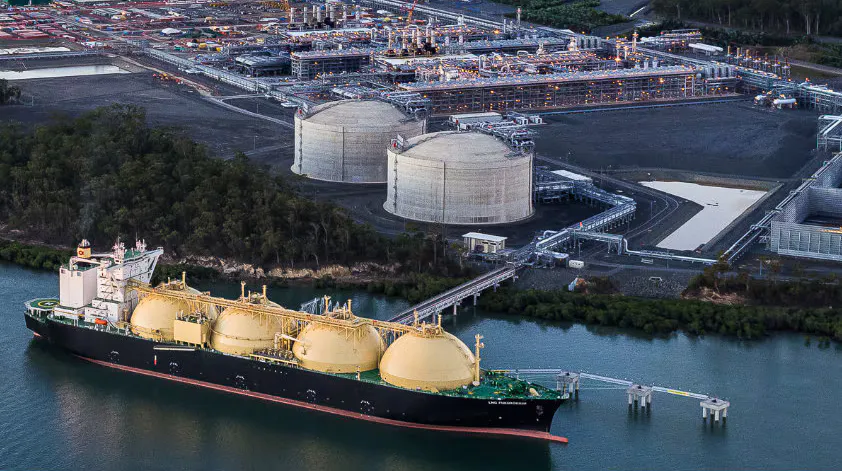
A proposed federal gas reservation scheme could let Santos avoid supplying additional gas to Australian buyers, the Australian Workers Union has warned, as parliament debates legislation intended to lower domestic prices.
The Albanese government's plan would require exporters to reserve gas equivalent to as much as 20 per cent of annual production for domestic use. It aims to create a modest surplus on the east coast. WA would be excluded, while the Northern Territory could be affected.
Australian Workers Union head Paul Farrow said the draft had addressed some shortcomings but could still let exporters count production from newly acquired local gas projects towards their requirements. He also questioned ministers' broad powers to alter obligations, saying there would be limited scope to challenge decisions.
MST Financial analyst Saul Kavonic said the scheme's success would largely hinge on the baselines used to assess each project's obligations. He warned that setting those benchmarks would lack transparency and be vulnerable to lobbying, while the rules could encourage exporters to buy smaller domestic producers.
Energy Users Association representative Andrew Richards supported the proposal's purpose and flexibility for exporters, but warned that unclear rules could weaken it. He said Santos-led Gladstone LNG had increased east coast prices through its purchases of domestic gas for export.
The industry lobby Australian Energy Producers took the opposing view. Chief executive Samantha McCulloch said the scheme could threaten new projects and reduce supply. She argued that requiring sales, rather than reasonable offers, could force producers to accept prices below costs or other non-commercial terms.
Santos was approached for comment.